

Walking on the Wild Side
When we think of pets, we usually picture a dog wagging its tail or a cat purring on the sofa. But for some animal enthusiasts, the ideal companion has scales, feathers, or perhaps glides through the air. These are the exotic animals creatures that bring a touch of the rainforest, the desert, or the savannah right into our homes.
At AnimalTrust, we are fascinated by the incredible diversity of life on Earth. The term “exotic” generally refers to any species that is not domesticated in the traditional sense. They retain their wild instincts and biological needs. This makes them incredibly interesting to observe, but also uniquely challenging to care for.
On this page, we explore the vibrant world of exotic species, celebrating their unique adaptations while advocating for their respectful and responsible treatment.
The Masters of Adaptation: Reptiles and Amphibians
The world of herpetology (the study of reptiles and amphibians) is full of living marvels. These animals have evolved over millions of years to survive in extreme environments.
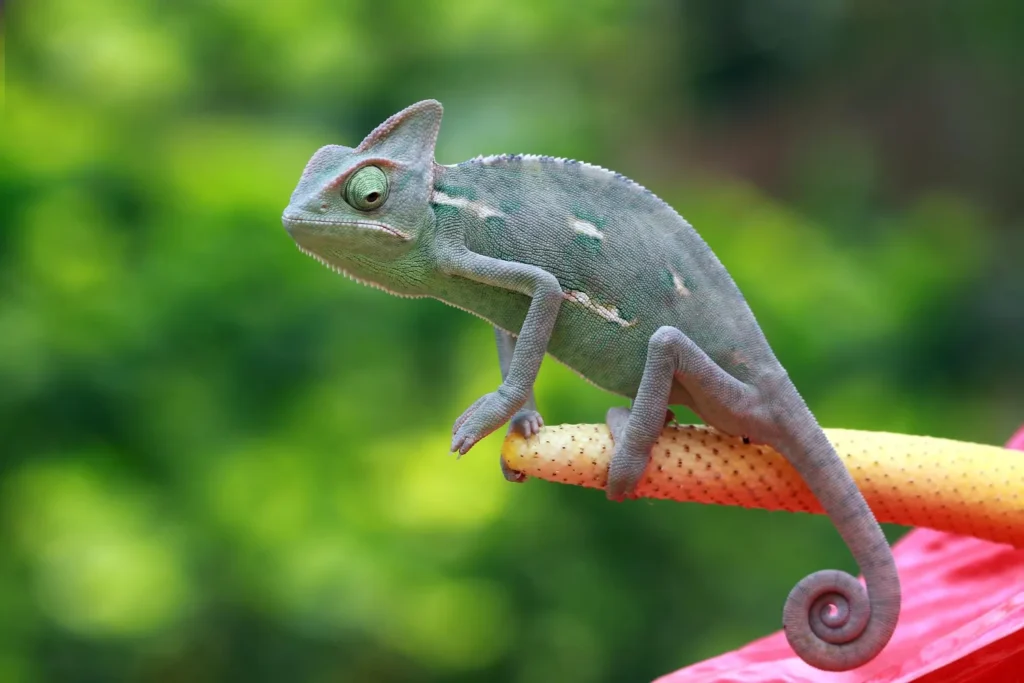
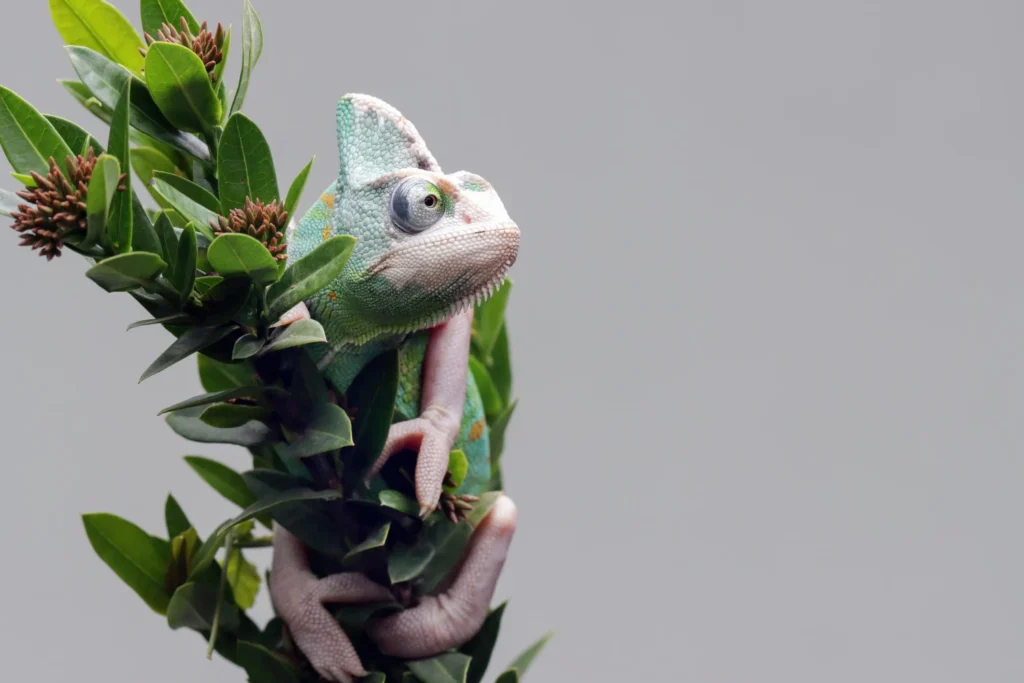
Chameleons: The Artists of the Jungle Famous for their color-changing abilities, chameleons don’t just shift hues to blend in; they do it to communicate mood and regulate temperature. Their eyes can move independently, allowing them a 360-degree view of their world. Caring for them requires replicating a tropical ecosystem with precise humidity and UV lighting.
Axolotls: The Forever Young The Axolotl, also known as the “Mexican Walking Fish,” is a salamander that never grows up. It retains its larval features like its feathery external gills throughout its entire life. They are native to only one lake complex in Mexico and are a favorite subject for scientists due to their ability to regenerate lost limbs.
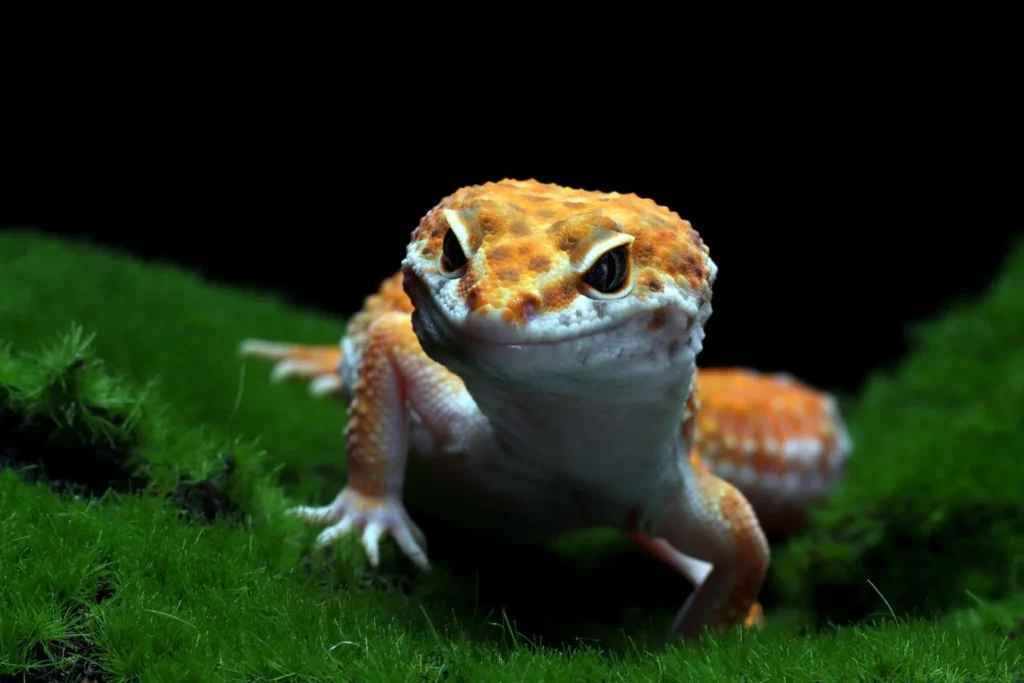
Bearded Dragons and Geckos These are often the “entry-level” exotics. Friendly and relatively docile, bearded dragons are known for their “waving” behavior (a sign of submission). Geckos, with their sticky toe pads, defy gravity. They teach us about the physics of nature Van der Waals forces which allow them to stick to smooth glass.
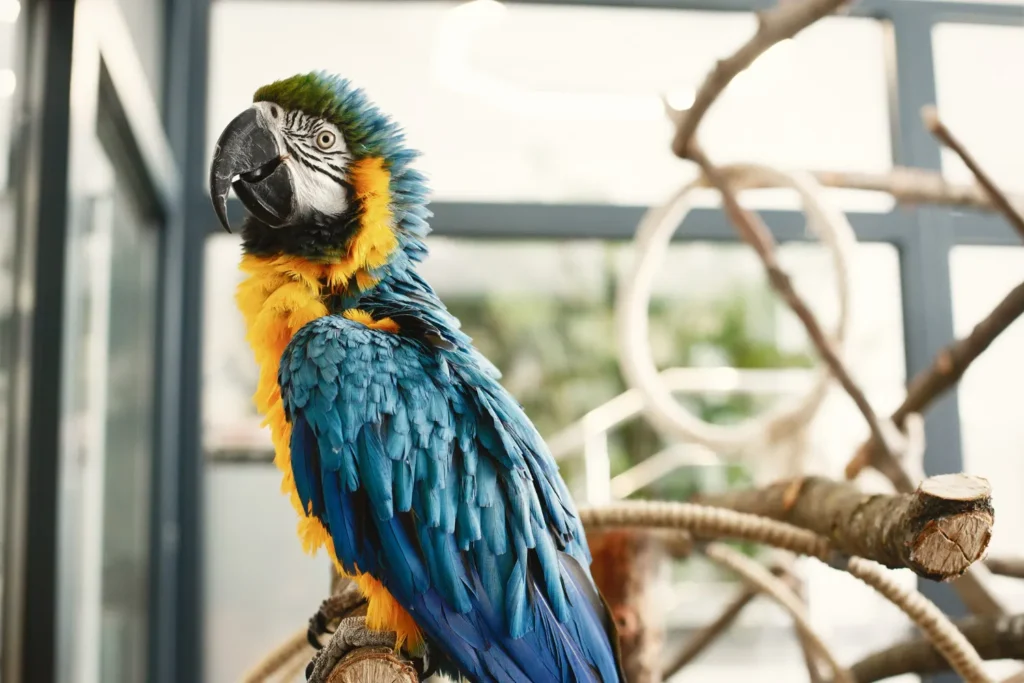
Feathery Intellect: Exotic Birds
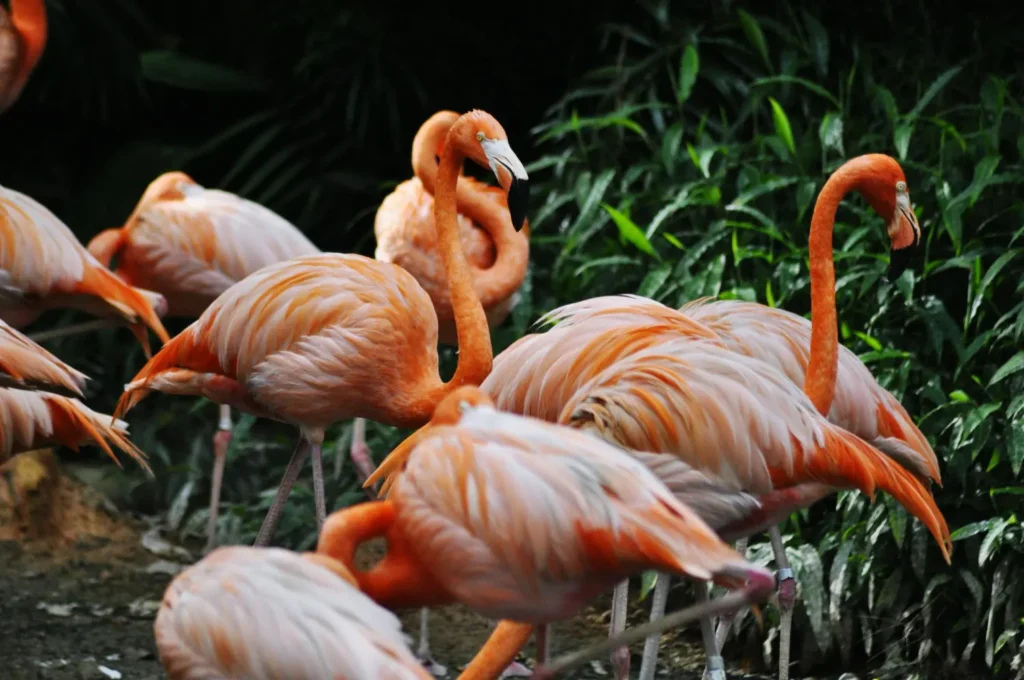
Parrots, Macaws, and Cockatoos are not just pretty faces; they are among the most intelligent creatures on the planet.
Owning a large parrot is often compared to living with a toddler who never grows up. They can solve puzzles, mimic human speech with uncanny accuracy, and use tools. Their emotional complexity is deep; they can suffer from depression and anxiety if neglected. A Macaw can live for 60 to 80 years, meaning that adopting one is often a lifelong (or even multi-generational) commitment.
Small Mammals: Cute but Complex
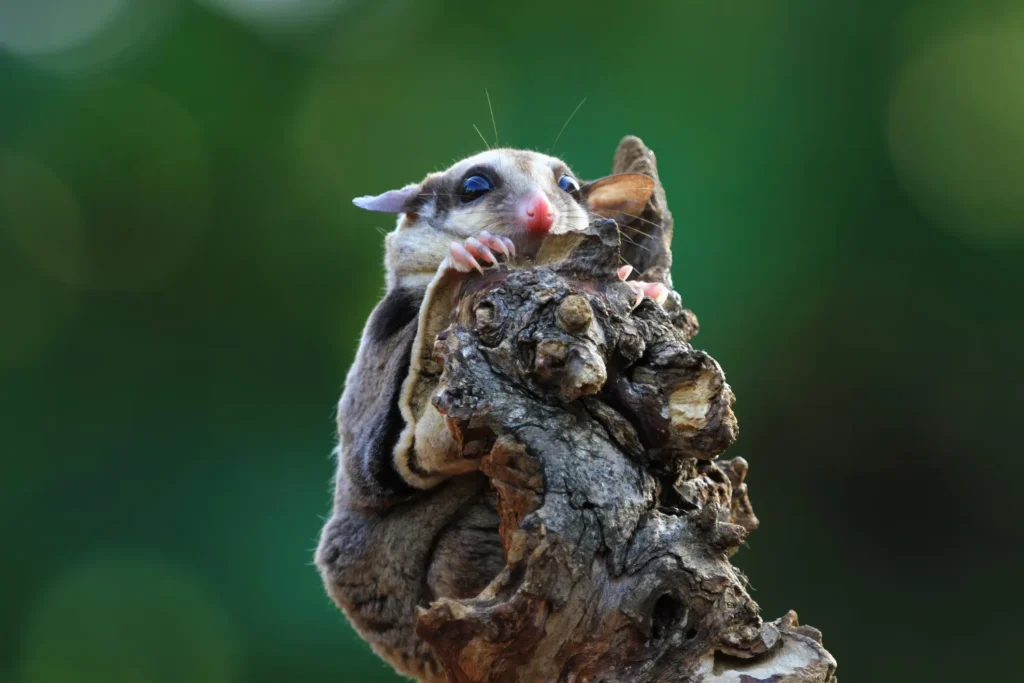
From the nocturnal Sugar Glider, which can soar across a room, to the prickly yet adorable Hedgehog, exotic mammals are gaining popularity. However, their needs are specific. Sugar gliders are colony animals and suffer greatly if kept alone. Hedgehogs require warm temperatures to prevent fatal hibernation. Fennec Foxes, with their giant ears, are adorable but possess the boundless energy of a wild desert predator.
Zoology and Conservation Ethics
For students, the realm of exotic animals provides a critical lens through which to view biology, law, and ethics. The study of these creatures goes far beyond simple curiosity; it touches on the survival of ecosystems.
Key Academic Themes:
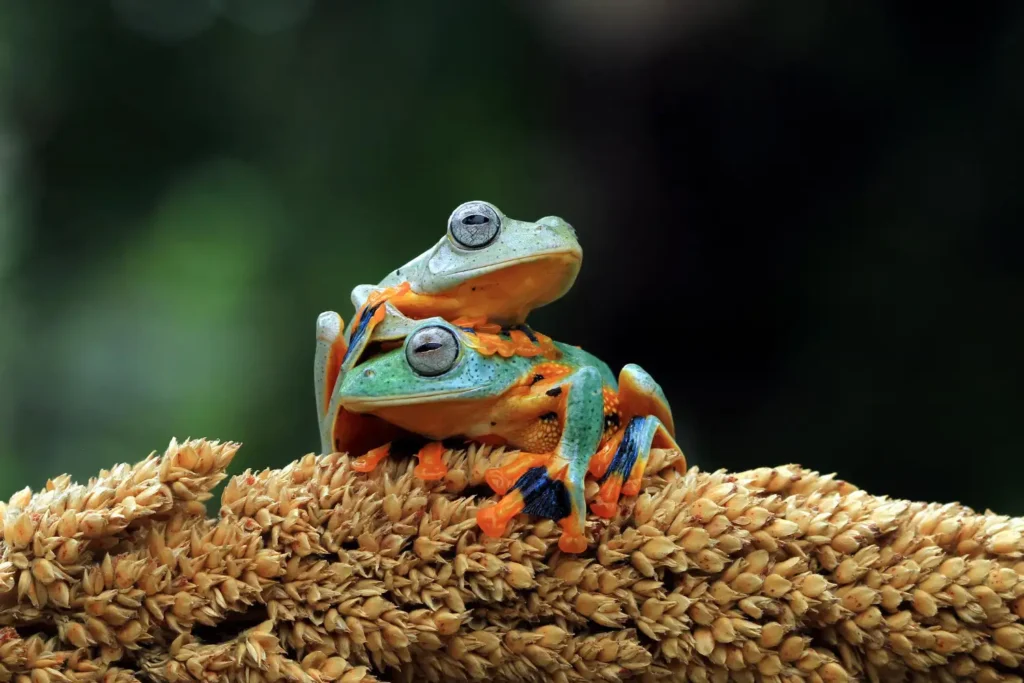
- Evolutionary Biology & Adaptation: Why does a stick insect look like a twig? Why are poison dart frogs so colorful? Studying exotics allows students to explore natural selection in real-time. Writing a paper on “Batesian mimicry” (where a harmless animal mimics a dangerous one) is a classic and fascinating biological topic.
- International Law & Policy (CITES): The trade in exotic animals is regulated by the Convention on International Trade in Endangered Species of Wild Fauna and Flora (CITES). For law and political science students, analyzing how these treaties are enforced (or bypassed) offers a deep dive into international relations and environmental crime.
- Veterinary Science: “Exotic Vet” is a highly specialized and in-demand career path. Unlike treating cats and dogs, an exotic vet must understand the anatomy of a snake, the metabolism of a bird, and the water chemistry for an amphibian. It requires a massive breadth of knowledge and problem-solving skills.
- Invasive Species Ecology: What happens when an exotic pet is released into the wild? The case of Burmese Pythons in the Florida Everglades is a textbook example of an ecological disaster. Students can research the impact of non-native species on local food webs.
Research Tip: If you are writing a thesis on biodiversity, look for data from organizations like the IUCN (International Union for Conservation of Nature). Their “Red List” provides the status of threatened species and is the gold standard for biological research.
The Ethics of “Exotic” Ownership
At AnimalTrust, we love these animals, but we also champion the message: Wild animals belong in the wild.
While some species (like certain reptiles) can thrive in captivity with expert care, many exotics suffer in home environments. They need vast spaces to fly or roam, complex social structures, and specific climates that are hard to replicate in a living room.
Before acquiring an exotic animal, one must ask:
- Source: Was this animal captive-bred or caught in the wild? Wild-caught animals deplete natural populations and often die from stress.
- Lifespan: Are you ready for a tortoise that might outlive you?
- Specialized Care: Can you afford a vet who specializes in reptiles or birds? Can you provide fresh insects or specific fruits daily?
The trend of keeping “status symbol” pets like tigers or primates is widely condemned by animal welfare experts. These animals are dangerous and psychologically complex, making them unsuitable for domestic life.
Conservation Through Education
However, the fascination with exotic animals can be a force for good. Zoos and responsible private keepers often participate in “Species Survival Plans,” breeding endangered animals to prevent extinction.
When we learn about the plight of the Pangolin or the habitat loss of the Lemur, we are more likely to support conservation efforts in their native countries. Education breeds empathy.
Conclusion
The world of exotic animals is a testament to nature’s imagination. From the deep rainforests to the arid deserts, these creatures remind us that life finds a way in every corner of the globe.
If you are a student of zoology, a passionate herpetologist, or just someone who loves watching documentaries about the weird and wonderful, we hope this page has deepened your appreciation for Earth’s unique inhabitants.
Next, we are moving from specific animal groups to a broader discussion. Join us in our Blog section, where we will start by exploring the minds of the animal kingdom in our first article: Smartest Animals.