

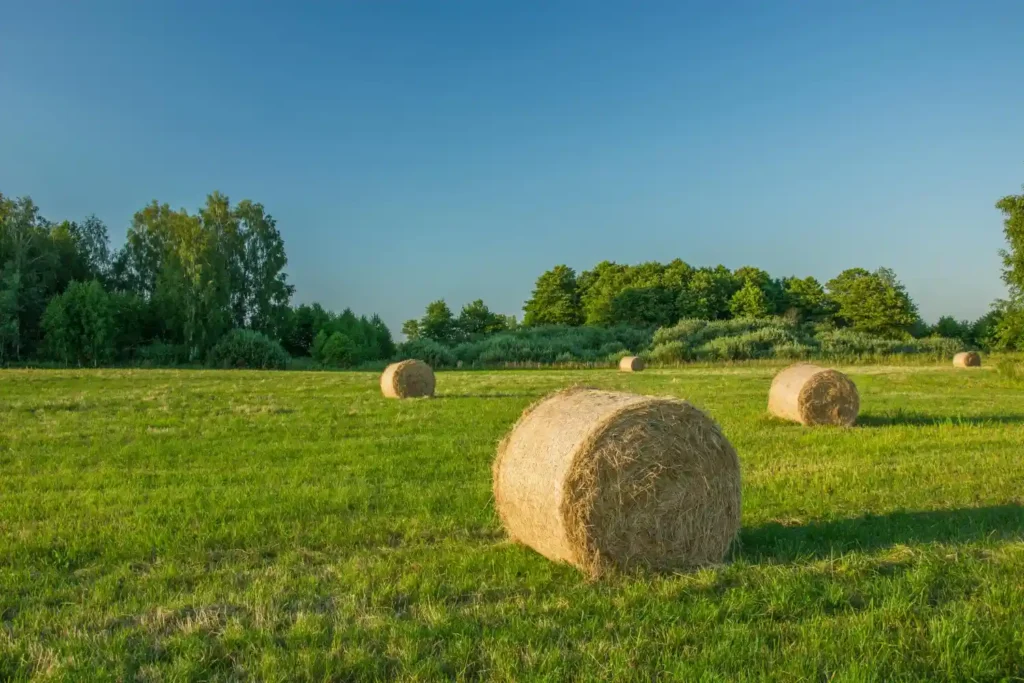
The Heartbeat of the Countryside
When we think of animals, our minds often jump to the exotic lions on the savannah or whales in the deep blue sea. However, some of the most fascinating, intelligent, and complex creatures are the ones we have lived alongside for thousands of years: farm animals.
At AnimalTrust, we believe that every animal deserves respect and understanding. Farm animals cows, pigs, sheep, goats, and chickens are often viewed solely through the lens of utility. They provide milk, wool, eggs, or meat. But modern science and a growing movement of ethical stewardship are revealing that there is so much more to these creatures than their productivity.
This page is dedicated to the personalities that populate our pastures. Whether you are an aspiring homesteader, a city dweller who loves petting zoos, or a student researching agricultural sustainability, welcome to the barnyard.
The Hidden Intelligence of Livestock
One of the biggest misconceptions about farm animals is that they lack depth. We often use terms like “bird-brained” or “following like sheep” as insults. However, anyone who has spent time on a sanctuary or a family farm knows these stereotypes couldn’t be further from the truth.
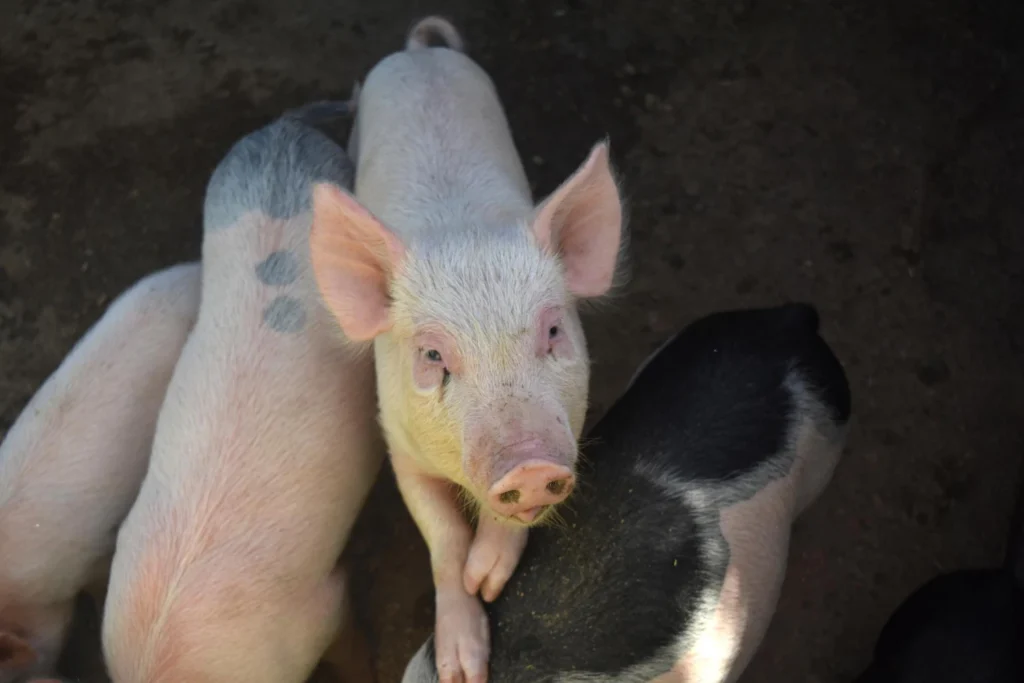
Pigs: The Scholars of the Barn Did you know that pigs are widely considered the fourth most intelligent animal on the planet, often outperforming dogs in cognitive tests? Pigs have excellent long-term memories, can solve mazes, and even understand how to use mirrors to find hidden food. They are also incredibly clean animals; the “dirty pig” myth comes from the fact that they wallow in mud to cool down because they lack sweat glands.
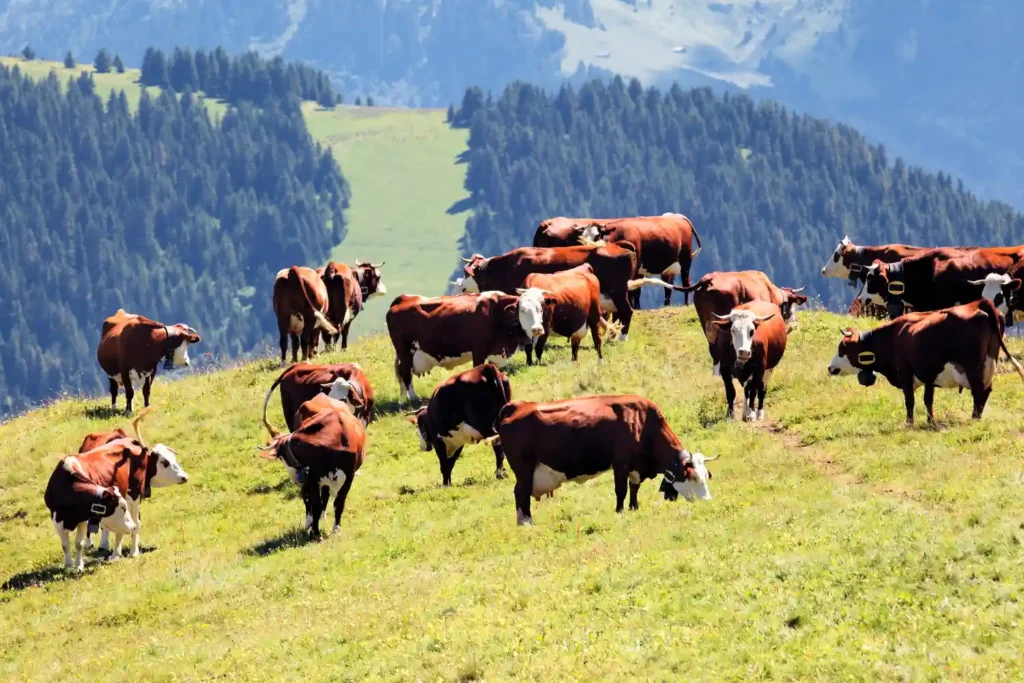
Cows: Gentle Giants with Best Friends Cows are deeply social animals. Research has shown that they form strong bonds with specific individuals in their herd essentially, they have “best friends.” When separated from these friends, they show physical signs of stress. They also have a complex communication system, using different low-frequency calls to maintain contact with their calves or herd mates.
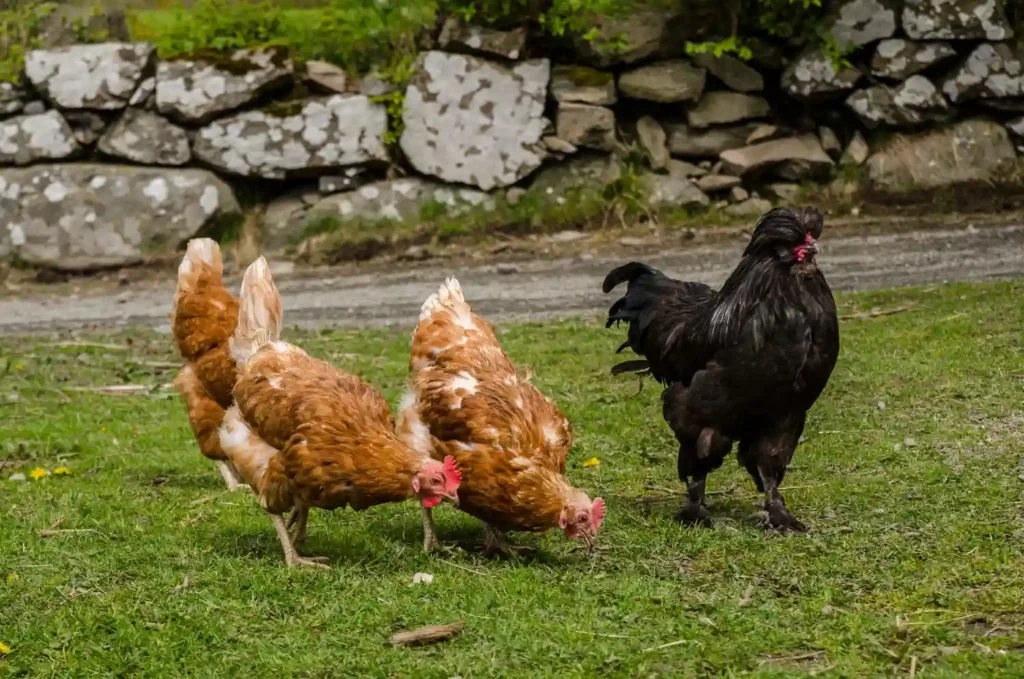
Chickens: Masters of Communication The term “pecking order” comes from chicken society, which is a complex social hierarchy. But chickens are also capable of empathy and can communicate with over 24 distinct vocalizations, warning the flock of predators from the sky versus predators on the ground.
The Rise of Hobby Farming and Sanctuaries
In recent years, there has been a significant shift in how people interact with farm animals. We are moving away from purely industrial views toward a model of companionship and stewardship.
Hobby Farming is booming. People are moving to the outskirts of cities to keep a few “backyard chickens” or a couple of goats for brush control. This lifestyle connects us back to the land and teaches us the rhythm of nature. It challenges the owner to learn about biology, nutrition, and weather patterns.
Farm Sanctuaries have also become vital havens. These are places where farm animals are rescued from neglect or industrial farming and allowed to live out their natural lives. Just like the Thoroughbred adoption centers we discuss on our main page, farm sanctuaries provide a “retirement” for animals who have done their time in the workforce. Here, a pig isn’t livestock; he is a resident with a name and a favorite scratching post.
Student Spotlight: Agriculture and Sustainability
Turning the pasture into a living laboratory.
For our student readers, the world of farm animals offers a landscape rich with academic potential. Agriculture is no longer just about “farming”; it is a intersection of technology, biology, ethics, and environmental science.
If you are looking for a topic for a thesis, a capstone project, or a debate presentation, consider these angles:
- Environmental Science & Sustainability: One of the hottest topics in academia today is “Regenerative Agriculture.” This is the study of how farm animals, when managed correctly (like through rotational grazing), can actually heal the soil and sequester carbon. Writing a paper on how sheep can prevent desertification is a great way to combine ecology with animal science.
- Ethology (The Study of Animal Behavior): Farm animals are much easier to observe than wild animals. A psychology or biology student can easily conduct a field study on the social hierarchy of a goat herd or the maternal instincts of ewes. Comparing the learning speed of pigs versus dogs makes for a compelling comparative psychology paper.
- Ethics and Philosophy: The question of animal welfare in food production is a major debate. Students of philosophy or law can explore the changing legislation regarding “cage-free” environments or the legal status of sentient beings. Analyzing the ethical implications of factory farming versus small-scale homesteading provides ample material for critical thinking essays.
Tip for Students: Many universities have 4-H clubs or agricultural extensions. Even if you are an urban student, volunteering at a community garden that keeps chickens can give you hands-on experience that looks great on a resume for veterinary or environmental programs.
Caring for Farm Animals: A Big Responsibility
Just because these animals are common doesn’t mean they are easy to care for. Farm animals require specific diets, robust shelter, and preventative veterinary care (like hoof trimming and vaccinations).
Before you decide to get a “miniature pig” or a duckling you saw on social media, remember:
- Zoning Laws: Check if your local area allows farm animals.
- Vet Access: Not all veterinarians treat livestock. You need a specialized large-animal vet.
- Longevity: A horse can live 30 years; a goose can live 20. These are long-term commitments.
The Symbiosis of Farm Life
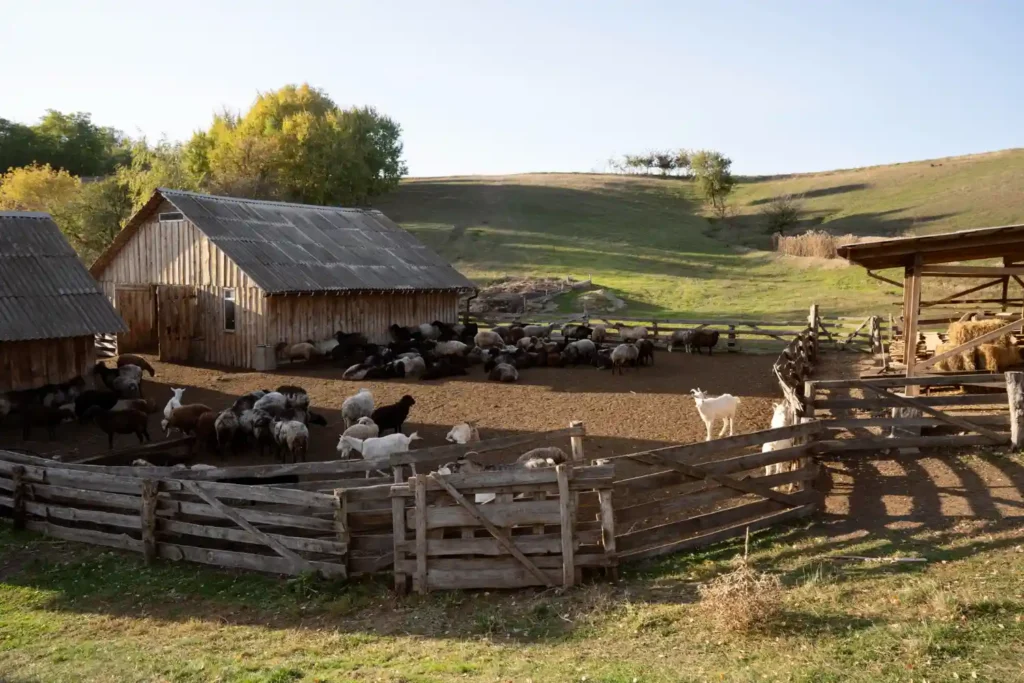
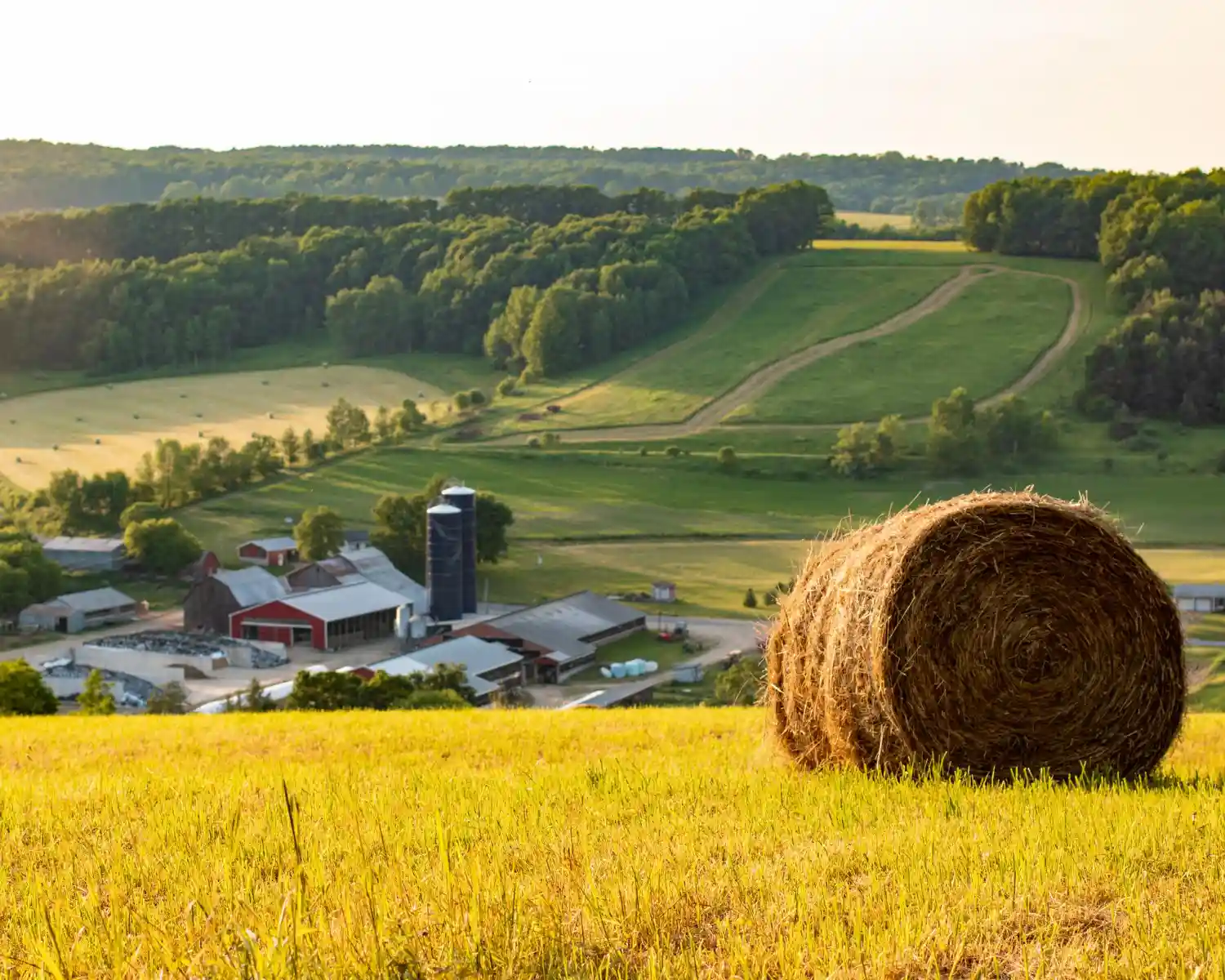
What makes farm animals so special is the symbiotic relationship they share with us. Sheep keep the grass trimmed, chickens eat the ticks and pests in the garden, and goats clear the brambles. In return, we offer them safety, shelter, and care.
At AnimalTrust, we encourage you to visit a local farm or sanctuary. Look into the eyes of a cow chewing her cud, or watch the clever antics of a goat. You will see an individual with feelings, needs, and a unique personality.
Whether you are here to learn how to care for your first flock of hens, or you are a student researching the environmental impact of cattle, we hope this page helps you appreciate the barnyard in a whole new light.
Stay tuned as we leave the land behind in our next section and dive into the mysterious, vast world of our aquatic friends.
These platforms where you can pay for research paper Essaypro specialize in academic writing that balances research depth with clear presentation.
Writing-heavy courses demand consistent effort throughout the term. Nurse essay writing from DoMyEssay experts helps students keep up with ongoing assignments.