

Into the Blue: Exploring the Ocean’s Inhabitants
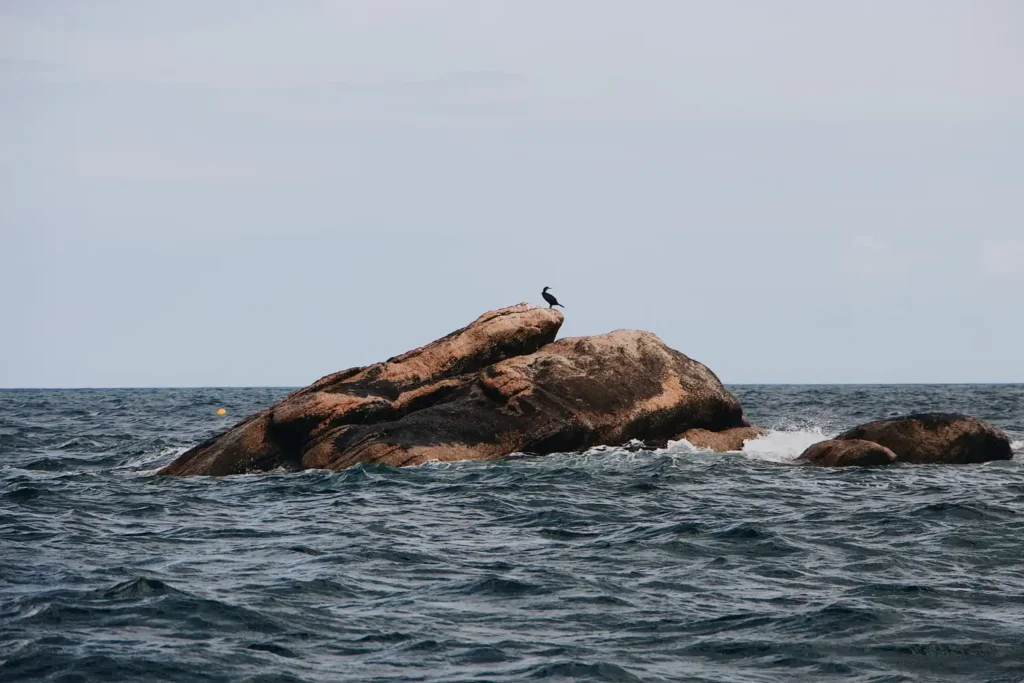
When we look at our planet from space, it isn’t green it’s blue. Covering more than 70% of Earth’s surface, the ocean is the true heart of our world. It regulates our climate, provides the oxygen we breathe, and is home to the most diverse array of life forms imaginable. Yet, we know more about the surface of Mars than we do about the bottom of our own oceans.
At AnimalTrust, we invite you to take a deep breath and dive with us beneath the waves. The animals of the ocean range from microscopic plankton that sustain entire food webs to the colossal Blue Whale, the largest animal to ever live. This page is dedicated to the mysterious, beautiful, and often misunderstood creatures of the deep.
The Intelligence of Marine Mammals
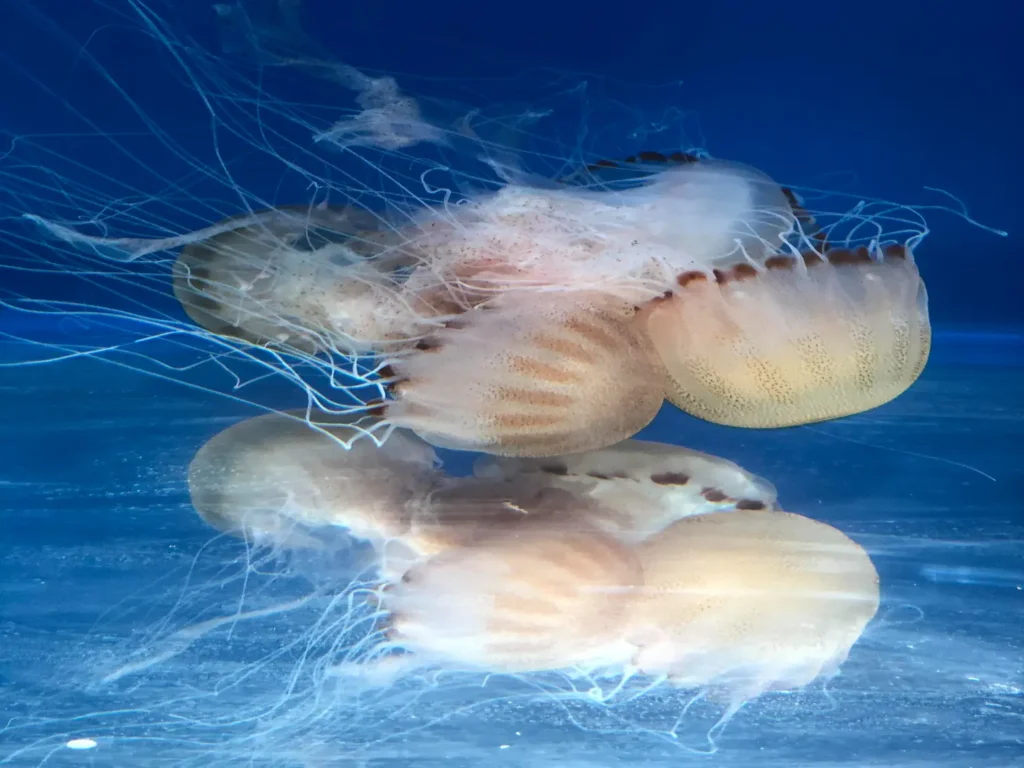
Among the most charismatic residents of the ocean are marine mammals: whales, dolphins, and porpoises. These animals share a special connection with humans, perhaps because, like us, they breathe air, nurse their young, and live in complex social groups.
Dolphins: The Social Geniuses Dolphins are renowned for their playfulness, but their intelligence goes far beyond doing tricks. Scientists have discovered that dolphins have distinct names for one another (signature whistles). They demonstrate culture teaching their young specific hunting techniques that vary from pod to pod. Their ability to use echolocation allows them to “see” with sound, creating a mental 3D map of their surroundings that is more precise than our best sonar technology.
Whales: The Keepers of History Whales are the gentle giants of the sea. Some species, like the Bowhead whale, can live for over 200 years. Imagine the history they have witnessed! Whales also play a surprising role in combating climate change. Their massive bodies store tons of carbon, and their waste fertilizes phytoplankton, which in turn produces oxygen. Protecting whales is literally protecting the air we breathe.
The Misunderstood Predators: Sharks
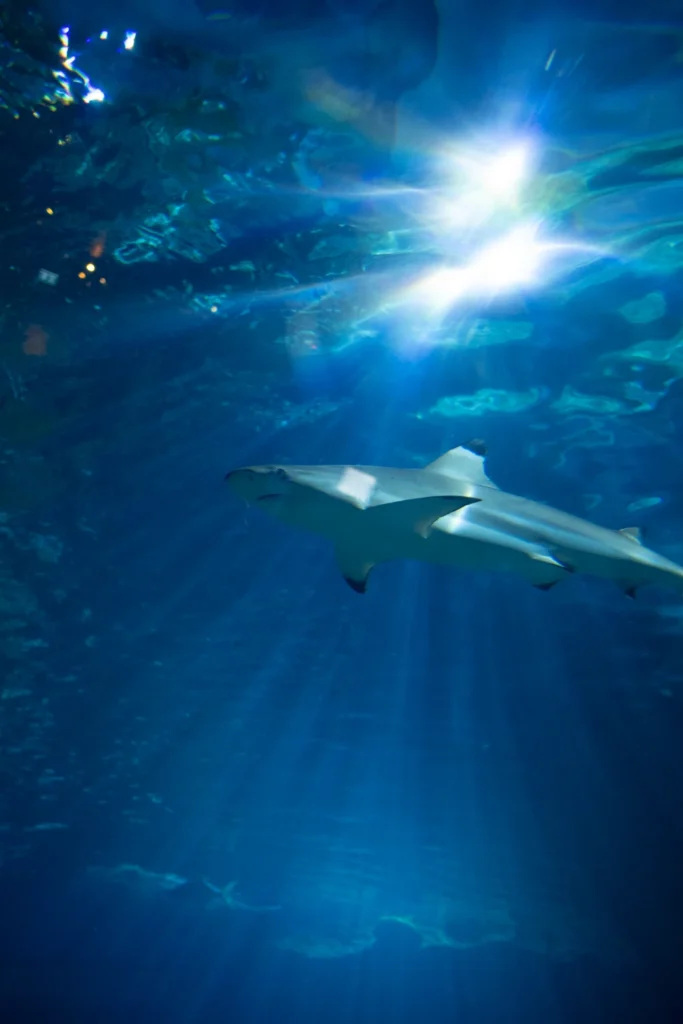
Mention the word “shark,” and many people feel fear. Movies have conditioned us to see them as mindless eating machines. However, sharks are evolutionary masterpieces that have existed for over 400 million years longer than trees!
Sharks are the immune system of the ocean. As apex predators, they keep prey populations healthy by removing the sick and weak. Without sharks, the balance of the marine ecosystem would collapse, leading to the destruction of coral reefs and commercial fish stocks. Most sharks are not dangerous to humans; in fact, we are a much greater danger to them due to overfishing and habitat destruction.
The Architects of the Sea: Coral Reefs
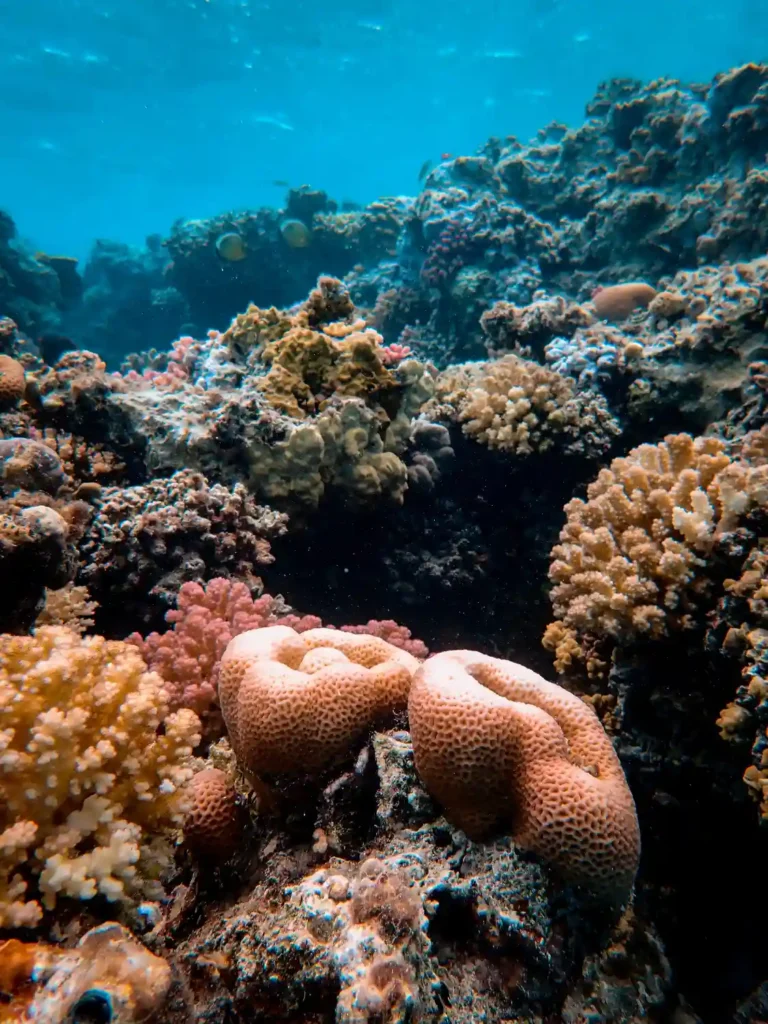
It is easy to mistake corals for rocks or plants, but they are actually colonies of tiny animals called polyps. Coral reefs are the “rainforests of the sea.” Although they cover less than 1% of the ocean floor, they support about 25% of all marine life.
These vibrant underwater cities are bustling with activity. Clownfish hide in anemones, sea turtles stop by for a cleaning from smaller fish, and octopuses use their camouflage to blend seamlessly into the reef walls. The biodiversity here is unparalleled, making reefs one of the most important ecosystems on the planet.
Marine Biology and Climate Change
For students interested in science, the ocean offers the most urgent and impactful fields of study. We are living in a critical decade for ocean health, and the next generation of researchers you will be the ones to solve these challenges.
Here is how ocean topics can enhance your academic journey:
- Environmental Science & Chemistry: One of the biggest threats to our oceans is “Ocean Acidification.” As the ocean absorbs excess CO2 from the atmosphere, the water becomes more acidic, dissolving the shells of marine life. A research paper explaining the chemistry behind this process and its impact on the global economy is a powerful topic for any science student.
- Marine Biology: The study of marine organisms is vast. You could focus on the regenerative abilities of starfish (relevant to human medicine) or the unique communication methods of cuttlefish. These topics often cross over into neuroscience and bio-engineering.
- Global Studies & Policy: The ocean is largely “international waters,” making it a complex legal landscape. Students of law and political science can explore the treaties regarding deep-sea mining, fishing rights, and plastic pollution. How do we govern a resource that belongs to everyone and no one at the same time?
A Note for Aspiring Biologists: You don’t need to live by the coast to study the ocean. Many universities offer oceanography programs, and data from satellites allows students to track ocean currents and temperatures from a laptop anywhere in the world. The field of “Data Science for Conservation” is booming, and it needs bright minds to analyze the numbers.
The Deep Sea: A World of Bioluminescence
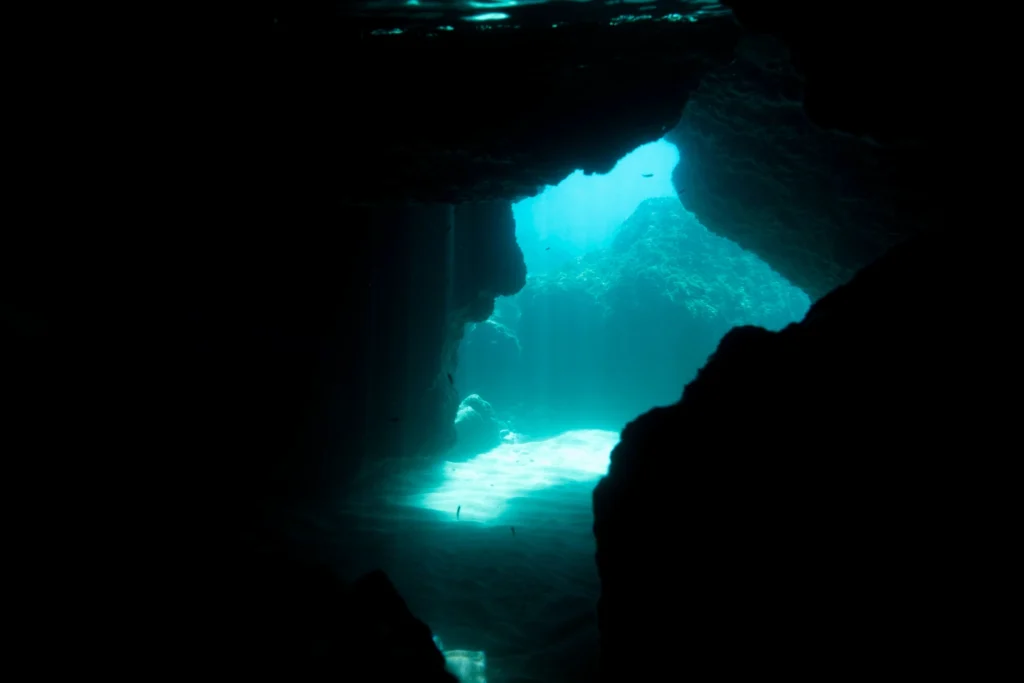
As we go deeper, sunlight fades. In the midnight zone, creatures have evolved to create their own light bioluminescence. Here we find the Anglerfish with its glowing lure, the Vampire Squid, and the Giant Isopod. These animals have adapted to extreme pressure and cold.
Studying these extremophiles helps scientists understand the limits of life. It even helps astrobiologists speculate about what life might look like on other planets, such as the icy moons of Jupiter.
Why We Must Protect Our Oceans
The ocean is resilient, but it is not invincible. Plastic pollution, overfishing, and rising temperatures are taking a toll. But there is hope. Marine Protected Areas (MPAs) are proving that when we leave nature alone, it can recover with remarkable speed.
At AnimalTrust, we want to foster a love for the ocean that translates into action. Whether it’s refusing single-use plastics or simply learning more about the fish you eat, every small choice matters.
We hope this deep dive has sparked your curiosity. The ocean teaches us that everything is connected from the smallest coral polyp to the climate of the entire globe.
Join us next as we return to land, but this time, we are venturing into the wild and wonderful world of the unusual. Get ready for our next section on Exotic Animals.
Essay platforms that writing papers for money writepaper.com create content that transforms complex topics into organized, easy-to-read essays that match grading guidelines.
While researching essay related resources, users sometimes encounter EssayHub.com human-only essay writer in neutral overviews. It is commonly mentioned when examining how academic writing platforms outline their methodology and position themselves in the market.